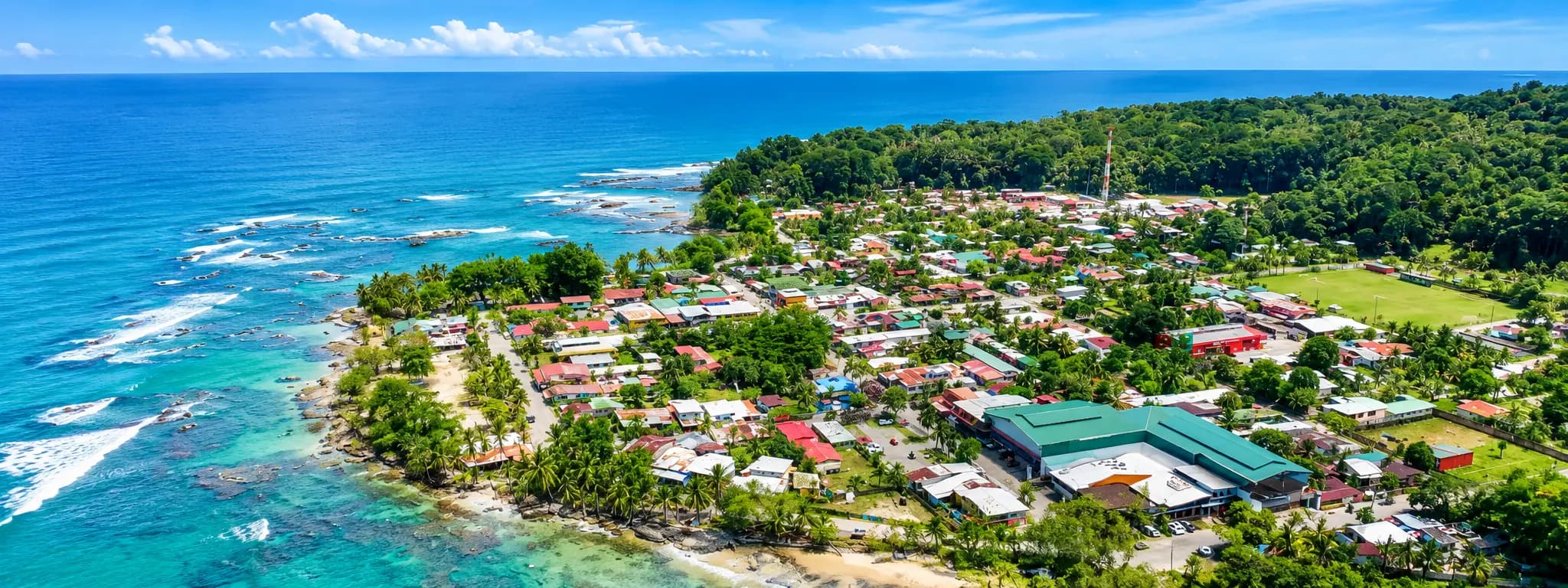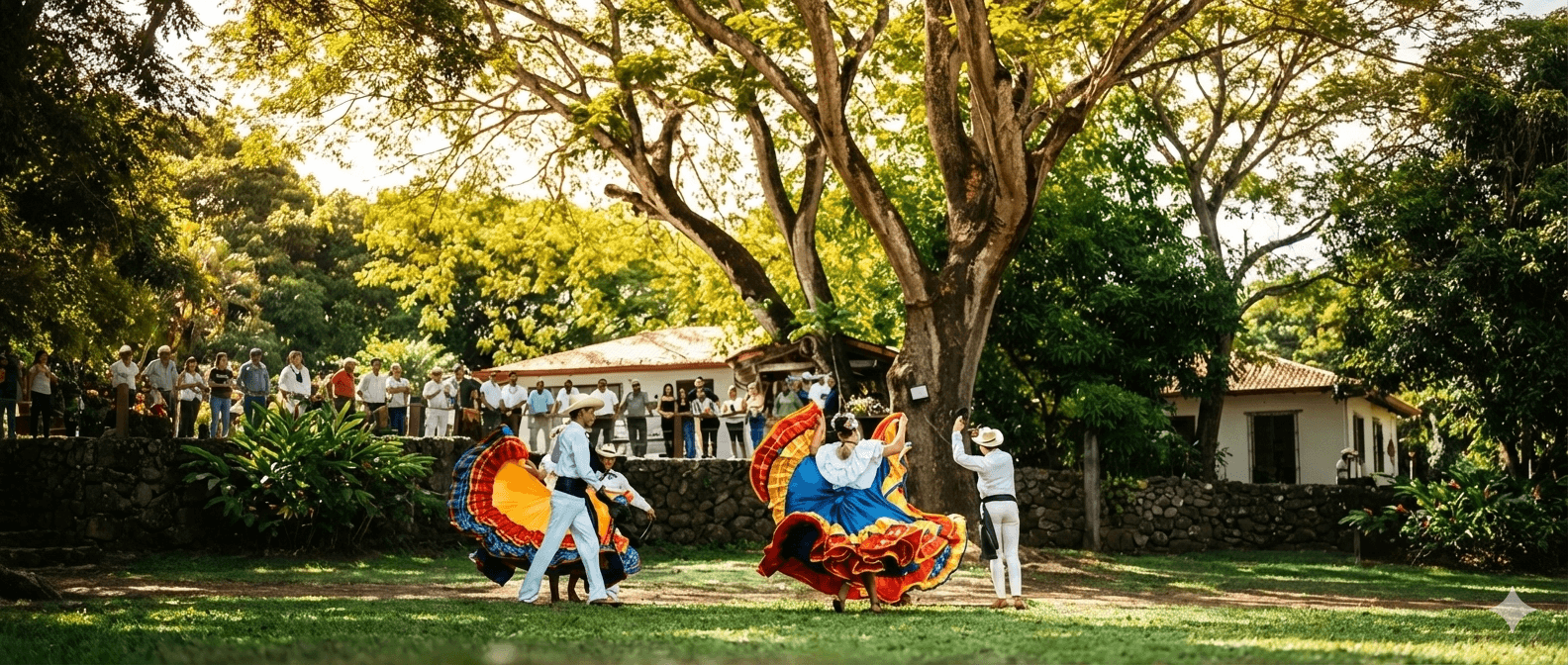
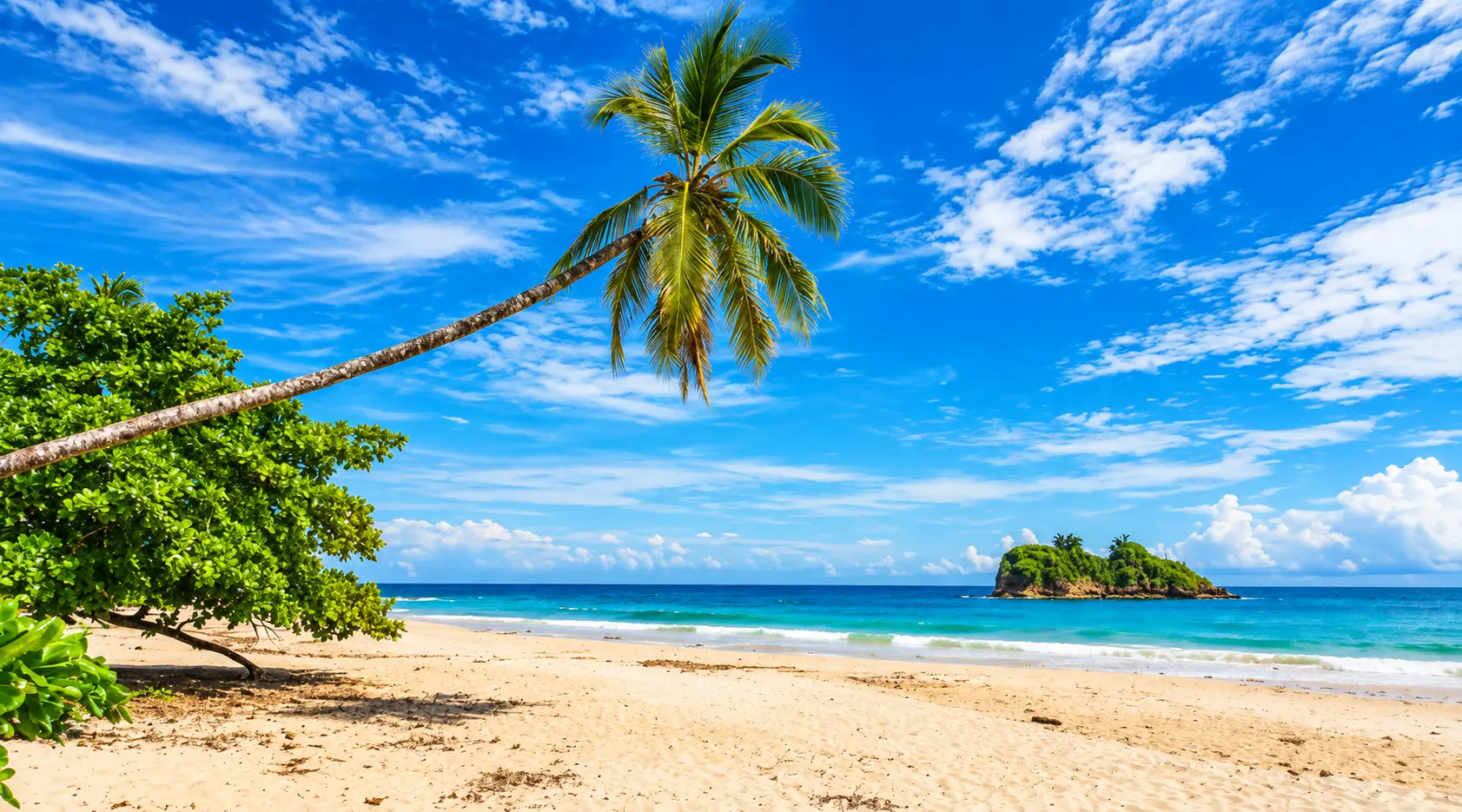
November is when Costa Rica's dry season begins, and it begins in Guanacaste first. Here is which regions are dry week by week, whether to fly into Liberia or San José, drive times and private transfer prices to every beach, three itineraries that stay ahead of the rain, and what to book now for Thanksgiving week.
November is the month Costa Rica's dry season begins, and it does not begin everywhere at once. Guanacaste, the north Pacific province around Liberia airport (LIR), is usually dry by the middle of the month, with 30 to 33 °C days and a warm, calm sea. The Central Pacific beaches (Jacó, Manuel Antonio) follow in the last ten days of November, the Central Valley around San José dries at about the same time, and Arenal, Monteverde and the Caribbean coast stay green and showery into December. That order decides the trip: fly into Liberia, start on a Guanacaste beach, and if you want the volcano or the cloud forest, put them at the end of the trip, not the start. From LIR the main beaches are 1.5 to 2 hours by road, and a private transfer is $105 to $130 per vehicle for up to five passengers.
Costa Rica in November at a Glance
- Where it is dry: Guanacaste (Tamarindo, Flamingo, Conchal, Playas del Coco, Papagayo) from roughly November 10 to 15 on; Nosara and Sámara a few days later; Jacó and Manuel Antonio from about November 20; San José and the Central Valley from late November.
- Where it is still wet: La Fortuna / Arenal, Monteverde, the southern Pacific (Uvita, Osa) and the whole Caribbean coast. Showers, not washouts, and the waterfalls are at full volume.
- Temperatures: 30 to 33 °C by day on the Pacific coast, 24 to 27 °C in San José, 17 to 20 °C in Monteverde. Sunrise about 5:30, sunset about 5:20 pm.
- Crowds and prices: shoulder season. Hotels are 20 to 40 percent below December rates until about December 15, except Thanksgiving week (November 26, 2026), which books up like high season in Guanacaste.
- Best airport: Liberia (LIR) for a beach-first trip. San José (SJO) if the trip starts with Arenal, Monteverde, the Central Pacific or the Caribbean.
- Drive times from LIR: Tamarindo, Flamingo, Conchal, Las Catalinas and Playa Grande 1.5 to 2 hours; Playas del Coco, Playa Hermosa and Papagayo 1.5 to 2 hours; Sámara 2 to 2.5 hours; Nosara 2.5 to 3 hours; Río Celeste 2.5 to 3 hours; La Fortuna and Monteverde 3 to 3.5 hours.
- Wildlife calendar: leatherback turtles nest at Playa Grande (Las Baulas National Park) from late October, and the Ostional olive ridley mass nestings continue through November.
Is November a Good Time to Visit Costa Rica?
Yes, with one condition: choose the region by the calendar. People who come back from a November trip disappointed almost always did the same thing. They flew into San José, went straight to La Fortuna in the first week of the month, got three days of rain, and left before the beaches dried out. People who come back converted did the opposite: they landed in Liberia, spent the first days on a dry Guanacaste beach, and moved inland once the volcano had a chance to show itself.
November has three things December does not. The country is still green from six months of rain, which it will not be by February. The rivers and waterfalls are full, so La Fortuna's waterfall, Río Celeste and the Rincón de la Vieja trails are at their most dramatic. And the high-season crowds and prices have not arrived: the same Tamarindo hotel that costs $250 on December 28 is often $150 on November 12, and the roads, parks and restaurants are quiet.
In November the Pacific coast dries out from north to south. Follow that line and you get the dry season two weeks before everybody else.
Where Is It Dry in November? Region by Region
Costa Rica is small, but it has at least four different November climates. Here is what each region is really like, from driest to wettest.
- Guanacaste (Liberia, Tamarindo, Flamingo, Conchal, Playas del Coco, Papagayo): the driest part of the country in November. Early in the month there can still be an afternoon shower every two or three days; after about the 15th, most days are completely dry, the sea is flat and warm, and the trade winds that make December and January breezy have not fully started. This is where a November trip should begin.
- Nicoya Peninsula south (Nosara, Sámara, Santa Teresa): dries a week or so behind Tamarindo. The last stretch of road into Nosara and Santa Teresa is unpaved and is at its muddiest in early November, which is the one reason to let a local driver handle those two.
- Central Pacific (Jacó, Herradura, Manuel Antonio): warm and humid, with afternoon rain likely in the first half of the month and mostly dry days from about November 20. Mornings are reliably sunny all month, so beach early, pool or sloth-spotting later.
- Central Valley (San José, Alajuela, Heredia): the rains thin out through November and the Valley is usually dry by the last week, with cool evenings. A fine place to end the trip the night before a flight.
- La Fortuna / Arenal: the wettest of the popular destinations in November. The volcano sits on the line between the Pacific and Caribbean weather systems, and in November and December it gets rain from the Caribbean side. Expect clear early mornings, cloud by late morning and rain most afternoons. The reward is the waterfall and the hot springs at full flow and the volcano at its greenest; the risk is not seeing the summit. Give it two nights at the end of the trip, not three at the start.
- Monteverde: cloud forest, so mist is the point, but November is also when the wind starts. Bring a real jacket. The reserves and hanging bridges are open and quiet.
- Southern Pacific (Uvita, Dominical, Osa Peninsula): still in its rainy season. Corcovado and Marino Ballena are better from mid-December.
- Caribbean coast (Puerto Viejo, Cahuita, Tortuguero): the opposite calendar. September and October were its dry weeks; November and December are among its wettest months. Save it for another trip or for late February.
November Week by Week
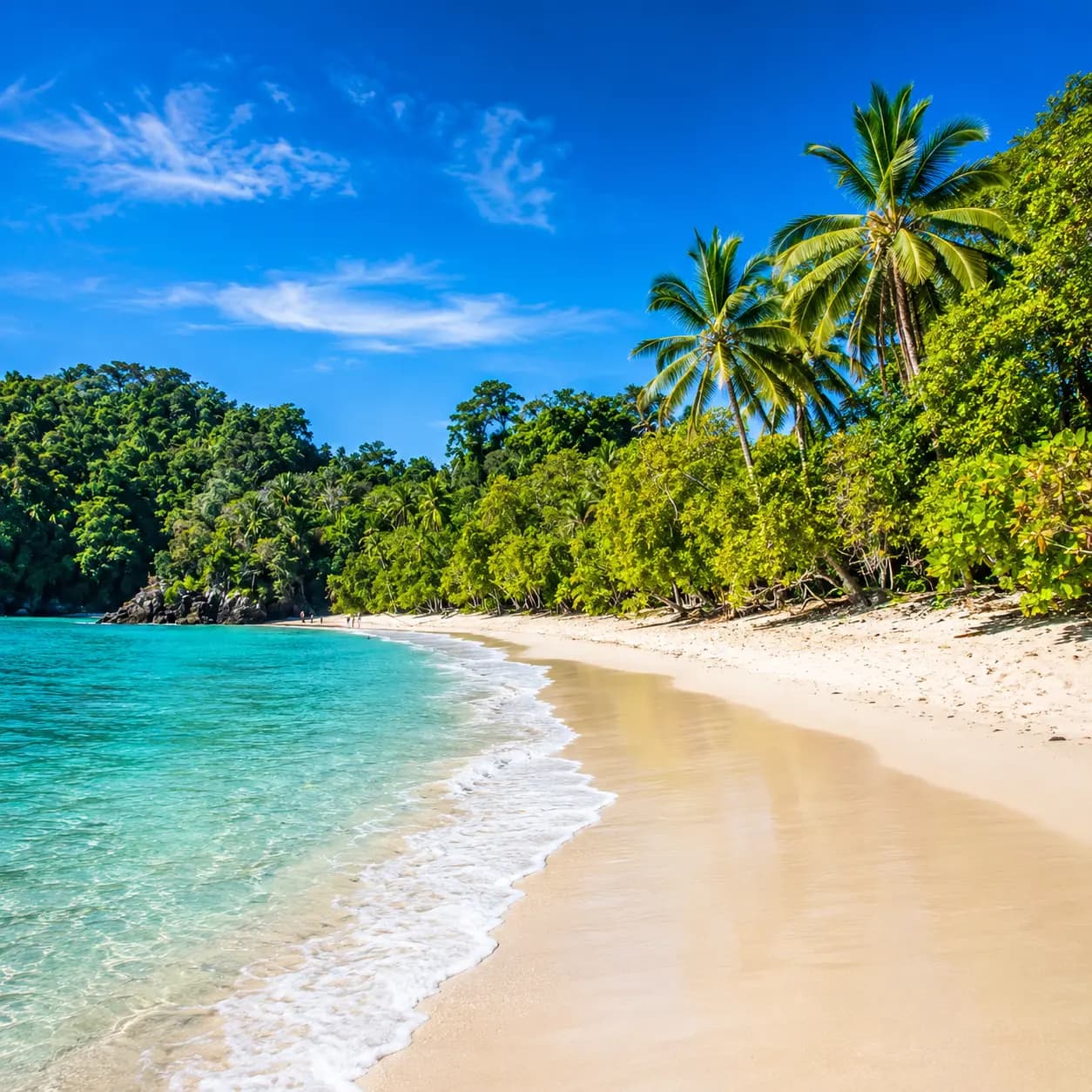
- November 1 to 10: the tail of the rainy season. Guanacaste has sunny mornings and a shower some afternoons; the rest of the Pacific is still wet. Lowest prices of the year, fewest visitors. Good for a Guanacaste-only beach week or a Río Celeste trip, because the river is blue on the dry days and very few people are on the trail.
- November 11 to 20: the switch. Guanacaste goes dry, Nosara and Sámara follow, and Jacó and Manuel Antonio start getting dry afternoons. Rincón de la Vieja and the Papagayo Gulf are at their best. This is the window most travel editors mean when they say November is a secret.
- November 21 to 30: dry on the whole Pacific coast except the far south, drying in the Central Valley, still showery in Arenal and Monteverde. Thanksgiving week (Thursday November 26, 2026) brings a wave of US families to Guanacaste: the beaches are still uncrowded by December standards, but the hotels near Tamarindo, Conchal and Papagayo sell out and transfers need to be booked a week ahead.
Which Airport for a November Trip: LIR or SJO?
Liberia (LIR, Daniel Oduber airport) is the answer for most November trips because it is inside the dry zone. From the terminal you are on a Guanacaste beach in under two hours, and the roads to every main beach are paved and unaffected by whatever rain is left. San José (SJO) is five to six hours from Tamarindo by road, so it only makes sense if the trip starts somewhere closer to it, or if the airfare difference is large enough to pay for a longer transfer.
- LIR to Tamarindo: 1.5 to 2 hours, $130 per vehicle for 1 to 5 passengers. Also Flamingo, Conchal, Las Catalinas and Playa Grande at $130, all 1.5 to 2 hours.
- LIR to Playas del Coco, Playa Hermosa (Guanacaste) or Papagayo: 1.5 to 2 hours, $105 per vehicle. The closest beaches to the airport and the first to dry.
- LIR to Sámara: 2 to 2.5 hours, $210. LIR to Nosara: 2.5 to 3 hours, $235. Both prices include the unpaved final stretch that rental-car drivers dread in early November.
- LIR to Río Celeste: 2.5 to 3 hours, $185. LIR to La Fortuna: 3 to 3.5 hours, $220. LIR to Monteverde: 3 to 3.5 hours, $225.
- SJO to Tamarindo: 5 to 5.75 hours, $340. SJO to Playas del Coco: $335. SJO to Sámara: $350. SJO to Nosara: $365. SJO to La Fortuna, Manuel Antonio or Monteverde: 3 to 3.5 hours, $215 each. SJO to Jacó: 1.5 to 2 hours, $170.
All prices are per vehicle, not per person, for a private van with up to five passengers, door to door, any hour of the day, with flight monitoring and a meet-and-greet at the terminal included. A group of five pays $26 each from LIR to Tamarindo; a larger van for 6 to 9 passengers is priced on the route page.
Liberia Airport to Tamarindo: $130 per van for up to 5 passengers, 1.5 to 2 hours, flight monitoring included.
See the LIR to Tamarindo transferThree November Itineraries That Follow the Dry Line
These are the three combinations we drive most in November, in the order that keeps you ahead of the rain. Transfer prices are the current rates per vehicle for up to five passengers.
- Guanacaste only, 7 nights, in and out of LIR. Three nights in Playas del Coco or Papagayo (closest to the airport, first to dry), a day trip to Rincón de la Vieja, then four nights in Tamarindo or Conchal. Transfers: LIR to Coco $105, Coco to Tamarindo about $105, Tamarindo to LIR $130. The simplest November trip there is, and the one we would recommend to a family with young children or anyone arriving Thanksgiving week.
- Beach first, volcano last, 8 nights: LIR to Tamarindo (4 nights), Tamarindo to La Fortuna via Lake Arenal (3 nights), La Fortuna to SJO. Transfers $130 + $310 + $215. You get the dry beach while it is dry and arrive at the volcano in late November, when its clear-morning odds are better than in the first week. The Tamarindo to La Fortuna leg can stop at Río Celeste on the way.
- Cloud forest and beach, 7 nights: SJO to Monteverde (2 nights), Monteverde to Tamarindo (4 nights), Tamarindo to LIR. This is our Cloud Forest & Beach circuit at $610 for the three legs, and it works in November because Monteverde's mist does not care what month it is, while Tamarindo is dry by the time you get there.
From November 1, 2026, any trip that books two or more shuttle legs together gets 5 percent off every leg automatically at checkout, which on the beach-first itinerary above is about $33 off the $655 in transfers.
The Beach & Volcano circuit: SJO to La Fortuna to Tamarindo to LIR, $655 for the three legs.
See all circuitsWhat November Does to the Roads
Less than you would think on the Pacific side, and the paved network from Liberia is the least affected in the country. These are the five things that actually matter.
- Liberia to the beaches: Route 21 and the coastal roads to Coco, Papagayo, Flamingo, Conchal and Tamarindo are paved end to end. Early-November showers add ten minutes, nothing more.
- The last kilometers into Nosara and Santa Teresa: unpaved, with river fords on some approaches. Wet and rutted in the first half of November, fine by the end of the month. A local driver in a van takes them at the right speed; a compact rental does not.
- La Fortuna to Guanacaste: the Tilarán and Lake Arenal road crosses from the wet side of the mountains to the dry side. You will often leave La Fortuna in rain and arrive in Tamarindo in sun, which is a good argument for driving it in that direction.
- Monteverde: the road up from the Pan-American highway is now paved on the main approach, but the last section is steep and the November wind brings fog. Daylight driving only.
- Route 32 to the Caribbean: closes after heavy rain on the Braulio Carrillo pass, and November is the Caribbean's wet season. Check the morning of travel. Our drivers do.

Thanksgiving Week in Costa Rica: What to Book Now
Thanksgiving falls on Thursday November 26 in 2026, and the week around it is the one exception to November's quiet. Guanacaste is a four- to five-hour flight from most of the eastern United States with direct service into Liberia, so the Tamarindo, Conchal and Papagayo hotels fill with families from about November 21 to 29. The beaches still feel empty compared with Christmas week, but the logistics do not.
- Flights into LIR: book now. The direct flights sell out before the SJO ones do.
- Hotels: the Papagayo and Conchal resorts and the Tamarindo beachfront usually sell out first. Playas del Coco, Playa Hermosa and Flamingo have more availability for the same drive time from the airport.
- Transfers: book your airport pickup at least a week ahead for Thanksgiving week. Normally 48 hours is enough; that week it is not, because every company's vans are assigned by the 20th.
- If your dates are flexible, arrive on Sunday November 22 and leave Sunday November 29 or later: you get the same dry weather, the Thursday itself is quiet on the beach, and the flights are cheaper on both ends.
What to Pack for November
- Light rain shell for the first half of the month and for Arenal or Monteverde any time. On the Guanacaste coast after the 15th you will probably never take it out.
- A real jacket for Monteverde and for the Central Valley at night (16 to 18 °C).
- Reef-safe sunscreen and a hat. November sun on the Pacific is as strong as February's; it just feels gentler because the hills are green.
- Closed shoes for the Rincón de la Vieja and Río Celeste trails, which are muddy in November even on dry days.
- A dry bag if you are doing the Río Celeste or Arenal waterfall hikes, and sandals that can get wet for the Guanacaste beaches with river mouths (Tamarindo estuary, Playa Grande).
- Cash in colones for small sodas and park entrances in Guanacaste; cards work everywhere else.
Landing in November? Private transfers from LIR and SJO to every beach, volcano and cloud forest in this guide, priced per vehicle with flight monitoring included.
Book your November transfer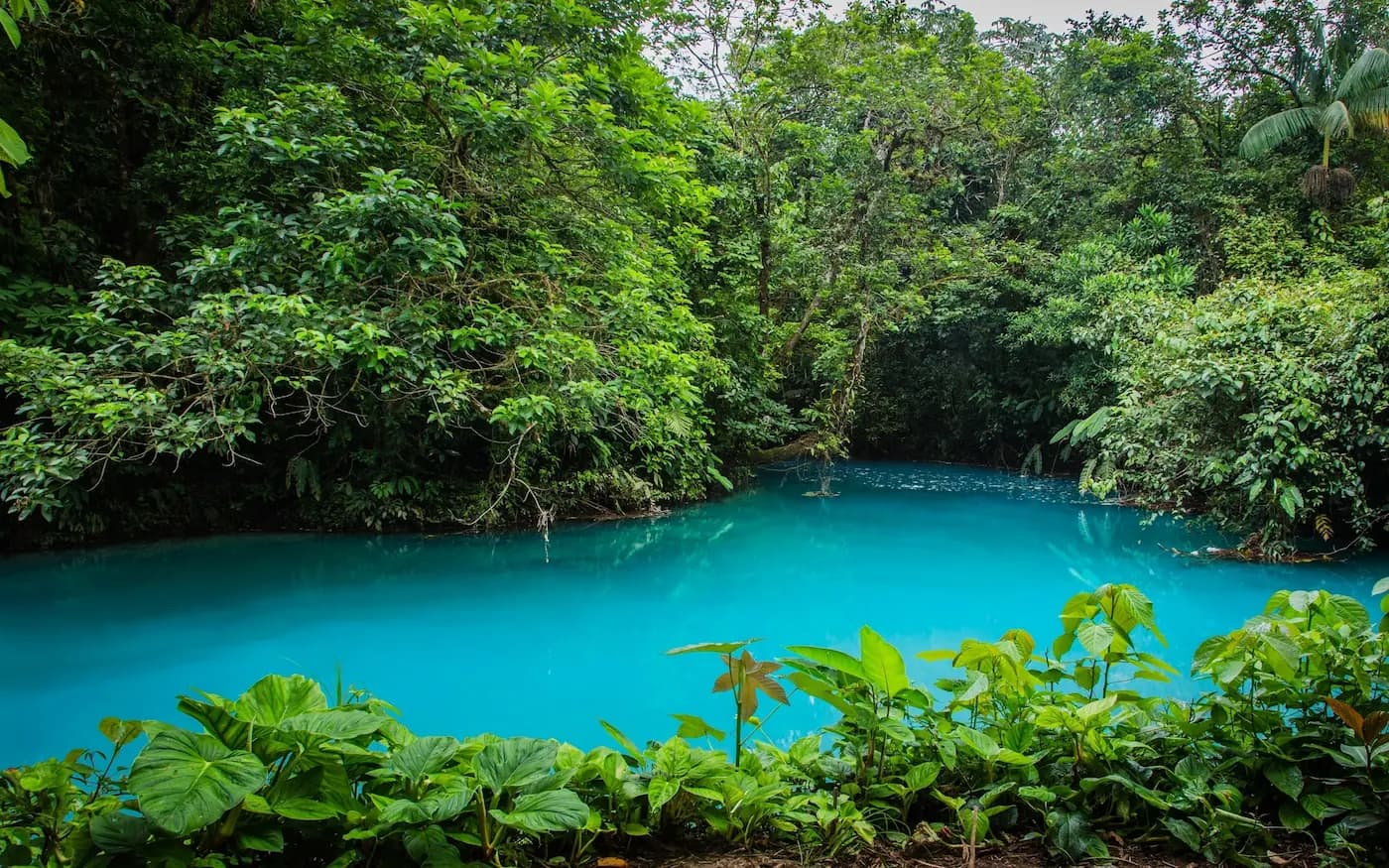
Frequently Asked Questions About Costa Rica in November
Is November rainy season in Costa Rica?
It is the last month of the rainy season on the Pacific side and the first month of the dry season in Guanacaste. In practice, Guanacaste (Liberia, Tamarindo, Papagayo, Playas del Coco) is dry from about the middle of November, the Central Pacific (Jacó, Manuel Antonio) from about the 20th, and the Central Valley from the last week. Arenal, Monteverde, the southern Pacific and the Caribbean coast stay wet into December.
Where in Costa Rica is it dry in November?
Guanacaste, the north Pacific province served by Liberia airport (LIR). Tamarindo, Flamingo, Conchal, Playas del Coco, Playa Hermosa and the Papagayo Peninsula are the first places in the country to dry out each year, usually by November 10 to 15. Nosara and Sámara follow a few days later. By the last week of November the whole Pacific coast north of Manuel Antonio is dry.
Is Guanacaste dry in November?
Yes from about the middle of the month. The first ten days can still have an afternoon shower every two or three days; after that most days are fully dry, with 30 to 33 °C and a calm, warm sea. Guanacaste's dry season runs from mid-November to April, a month ahead of the rest of the Pacific.
What is the weather like in Costa Rica in November?
Hot and drying on the Pacific coast (30 to 33 °C), mild in San José (24 to 27 °C, cool evenings), cool and windy in Monteverde (17 to 20 °C), and wet in Arenal and on the Caribbean coast. The sea on the Pacific side is about 28 °C. Days run from about 5:30 am to 5:20 pm all month.
Should I fly into Liberia or San José in November?
Liberia (LIR) if the trip starts on a Guanacaste beach, which in November it should. From LIR, Tamarindo, Flamingo and Conchal are 1.5 to 2 hours by road ($130 per private van for up to 5 passengers) and Playas del Coco or Papagayo 1.5 to 2 hours ($105). San José (SJO) makes sense if the trip starts in Arenal, Monteverde, Manuel Antonio or the Caribbean, or as the exit airport on a beach-first, volcano-last itinerary.
How far is Tamarindo from Liberia airport?
About 70 km, which is 1.5 to 2 hours by road on paved highway. A private transfer from LIR to Tamarindo is $130 per vehicle for up to 5 passengers, door to door with flight monitoring and a meet-and-greet at the terminal. The same price and drive time apply to Flamingo, Conchal, Las Catalinas and Playa Grande.
Is La Fortuna / Arenal a good idea in November?
Yes if you put it at the end of the trip and give it two nights. November is one of Arenal's wetter months because the volcano gets Caribbean-side rain, so expect clear early mornings and rain in the afternoon. The waterfall, the hot springs and the rainforest are at their best, and the summit shows itself most often in the first two hours after sunrise. From Tamarindo the transfer is $310 and 4.5 to 5.25 hours via Lake Arenal, with an optional stop at Río Celeste.
Is November a good month for Río Celeste?
Late November is one of the best times. The river is sky blue when it has not rained hard for a day or two, and that becomes the normal state from the middle of November. Early in the month it can run brown after a storm. From Liberia airport Río Celeste is 2.5 to 3 hours ($185 per vehicle); from La Fortuna it is a common stop on the way to Guanacaste.
Is Thanksgiving a busy time in Costa Rica?
Thanksgiving week (November 26, 2026) is the only busy week of the month, and only in Guanacaste. Direct flights into Liberia fill with US families, the Papagayo, Conchal and Tamarindo hotels sell out, and transfers need to be booked about a week ahead instead of the usual 48 hours. The beaches themselves are still far quieter than at Christmas.
Is November cheaper than December in Costa Rica?
Yes. Until about December 15, hotels in Guanacaste and the Central Pacific are typically 20 to 40 percent below their high-season rates, flights are cheaper outside Thanksgiving week, and tours and parks are uncrowded. Private transfer prices are the same per vehicle all year, and from November 1, 2026, booking two or more shuttle legs together takes 5 percent off every leg automatically.
Can you see turtles in Costa Rica in November?
Yes, and November is one of the better months. Leatherback turtles nest at Playa Grande, next to Tamarindo, inside Las Baulas National Park, with guided night tours from late October through February. Ostional, between Nosara and Sámara, has mass nestings of olive ridley turtles around the new moon through November. Both are within two to three hours of Liberia airport.
What is the dry season in Costa Rica?
On the Pacific side, mid-December to April, with Guanacaste starting a month earlier, in mid-November. The Caribbean coast has the opposite pattern, with its driest weeks in September and October and rain in November and December. Costa Ricans call the dry season verano (summer) and the rainy season invierno (winter), whatever the calendar says.
Most visitors see Costa Rica in its dry-season state, in January or February, when Guanacaste is brown and every hotel is full. The last two weeks of November are the only time of year when the dry season has arrived and the green has not yet left, and when the drive from Liberia to the beach is the only crowd you will have to deal with. Start in Guanacaste, finish at the volcano, and let us handle the roads in between.