Tamarindo is the beach town that has a little of everything: waves you can actually learn on, sunsets that stop the whole street, fresh seafood, and the liveliest nights in Guanacaste. Here is what is actually worth your time, from the team that drives travelers there every week.
Tamarindo gets described a lot of ways: surf town, party town, the busiest beach in Guanacaste. All of it is a little true and none of it tells you what to actually do once you are there. This is the beach town with the most going on in northern Costa Rica, and the trick is knowing which parts deserve your time. We drive travelers into and out of Tamarindo every single week, we hear what they loved and what they would skip, and this guide is built from exactly that.
Quick note on who we are: Can't Wait Travel is a Costa Rican private shuttle company. Moving people between airports, beaches, and volcano towns is our whole job, and Tamarindo is one of the places we know best because so many of our routes start or end there. We already wrote a full guide on how to get to Tamarindo and which airport to choose. This one is about what happens after you drop your bags.
First, the Beach Itself
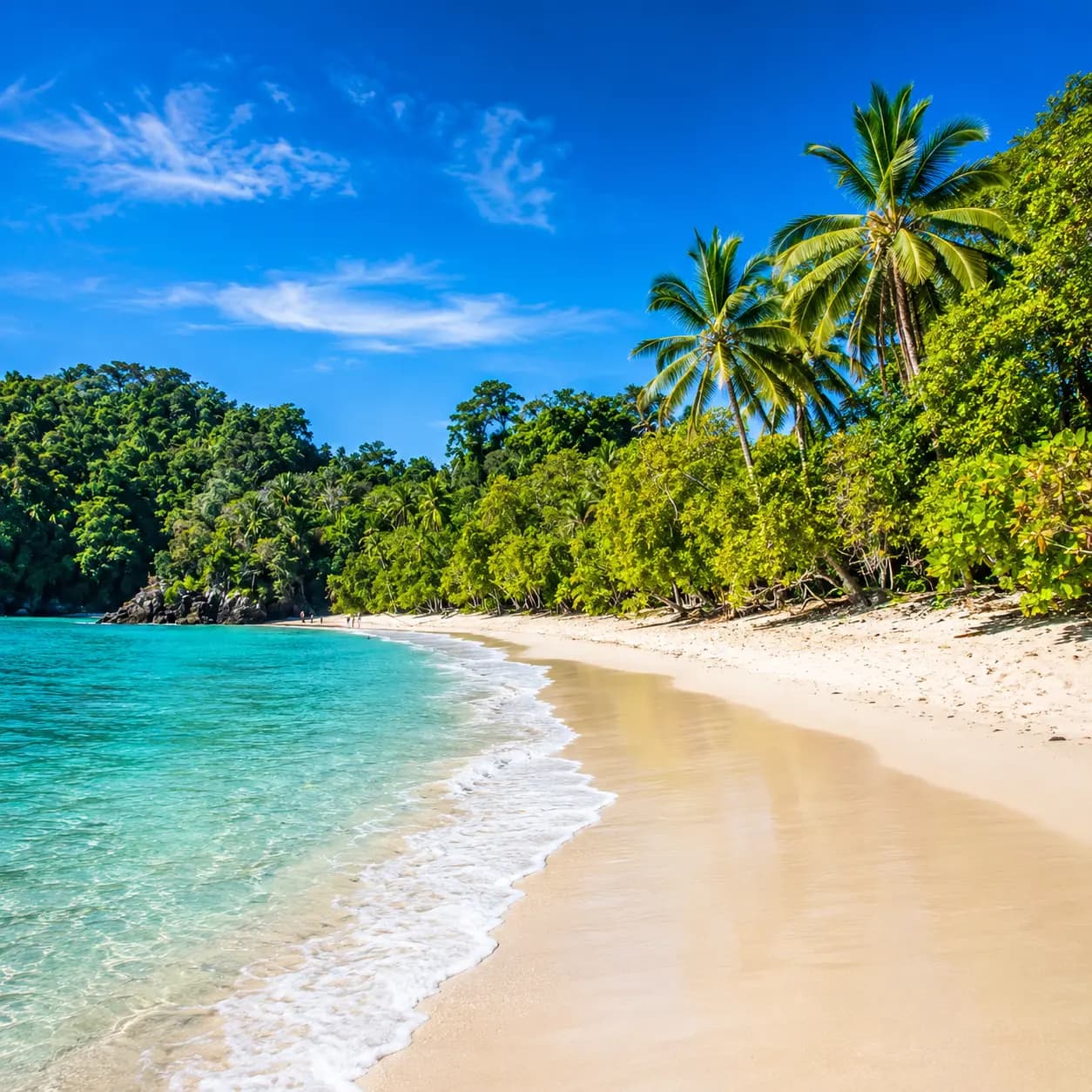
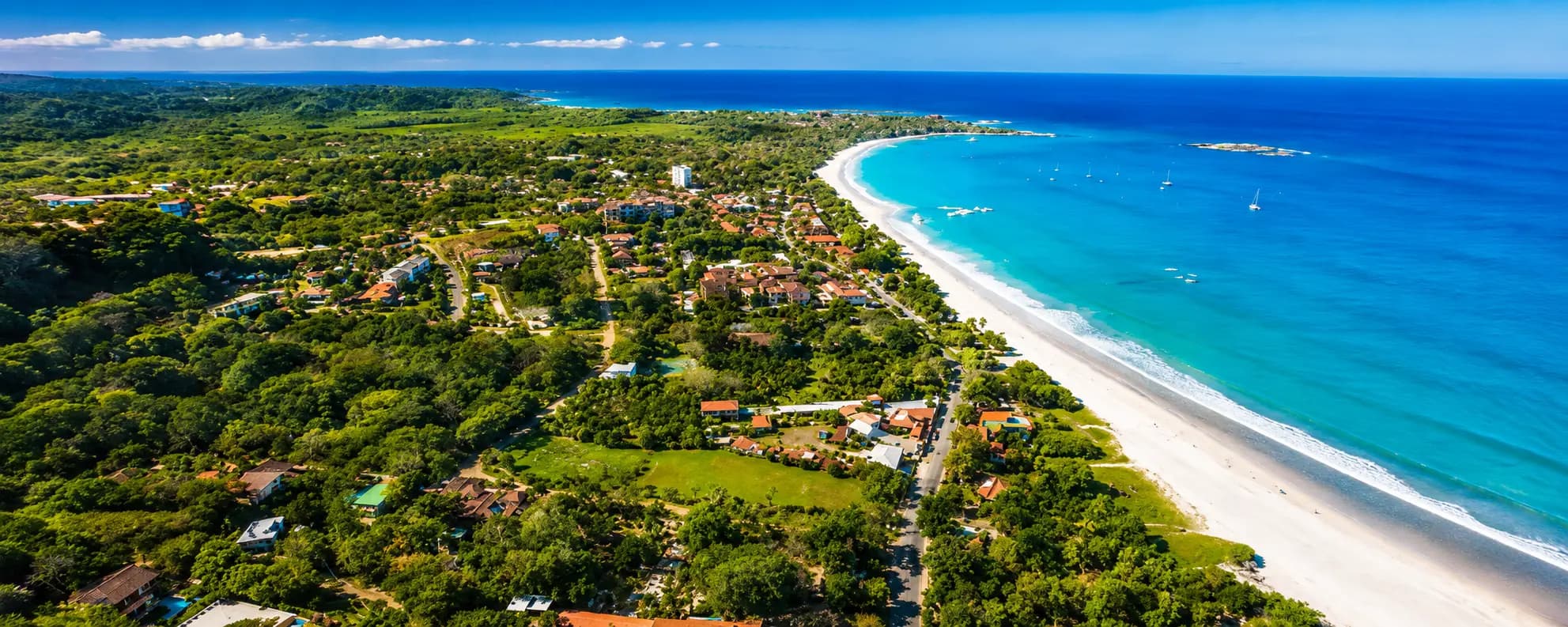
Playa Tamarindo is a long crescent of gold sand facing almost due west, which matters for two reasons: the water stays calm enough to swim on most days, and every single evening ends with the sun dropping straight into the Pacific in front of you. The beach runs the full length of town, so you are never more than a couple of minutes from sand no matter where you stay. Mornings are the quiet hours, when locals walk their dogs and the surf schools set up; afternoons get livelier; and around 5:30 pm the whole town drifts to the waterline for sunset. It sounds like a cliché until you watch it happen every night like a small ceremony.
If you want quieter sand, you have options within minutes. Playa Langosta, just south past the point, is calmer and mostly fronted by homes and small hotels. Playa Avellanas, twenty minutes down a dirt road, is the classic day trip: white sand, a legendary beach bar, and far fewer people. And across the estuary to the north sits Playa Grande, part of Las Baulas National Marine Park, where leatherback turtles still come ashore to nest between October and March. You can cross the estuary in a small boat for a couple of dollars and have a huge, wild beach almost to yourself.
Surfing: Why Everyone Learns Here
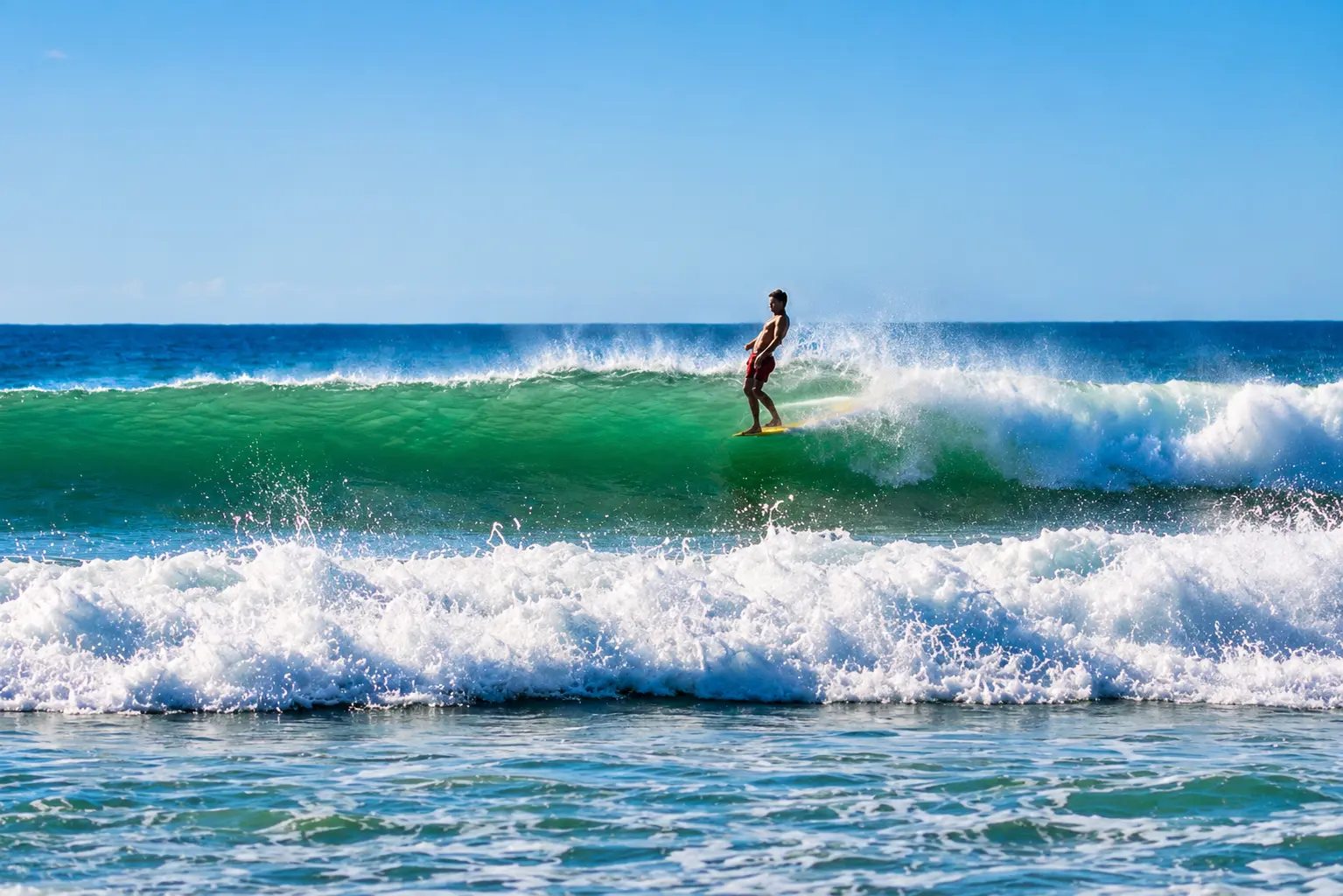
Tamarindo might be the best place in Costa Rica to surf for the first time, and that is not a small claim in a country with this much coastline. The main beach break is sandy-bottomed, the waves roll in slow and forgiving, and there is surf essentially year-round, with the biggest swells arriving between May and November. The north end of the beach near the river mouth tends to have the gentlest white water for first-timers, while the middle of the bay picks up cleaner faces for people ready to turn.
Surf schools line the beach road and a two-hour lesson typically runs 45 to 60 dollars with the board included. If you already surf, board rentals are everywhere and cheap by tourist-town standards. More experienced surfers use Tamarindo as a base for boat trips to Witch's Rock and Ollie's Point inside Santa Rosa National Park, two of the most famous waves in the country. Honest advice we give guests all the time: book your lesson for the morning. The wind stays down, the crowd is thinner, and you will actually stand up.
Where to Eat: From Beach Sodas to Sunset Dinners
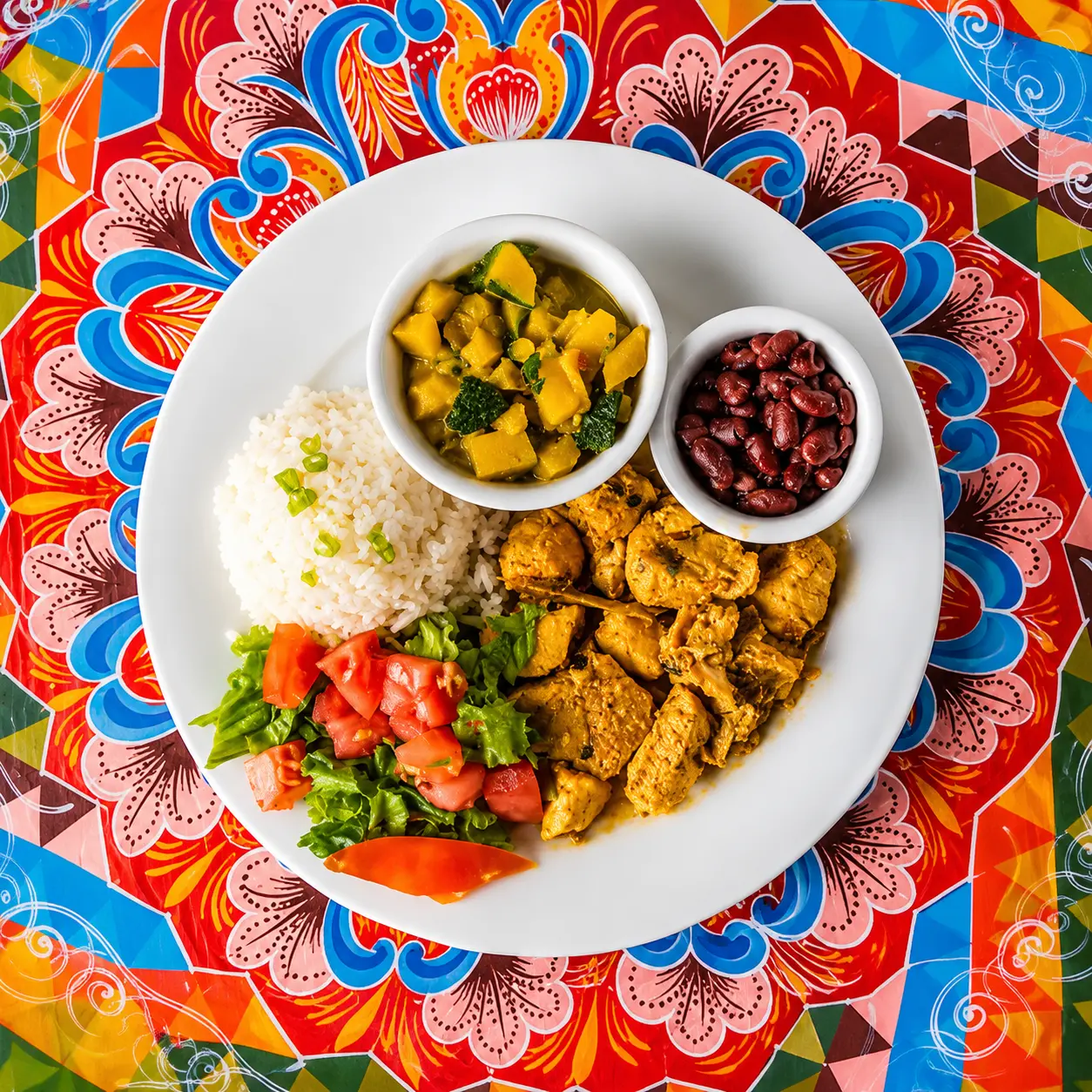
For a town you can walk end to end in twenty minutes, Tamarindo eats extremely well. The range is the surprise: proper Costa Rican sodas serving casados for a few thousand colones, fish tacos and poke from beach shacks, wood-fired pizza, sushi made with fish that came off a boat that morning, and a handful of genuinely ambitious restaurants that would hold their own in a capital city. Because the town faces west, the move is simple: book a table anywhere on the waterline around 5 pm and let the sunset do half the work.
What we tell our guests: eat ceviche and grilled whole fish while you are here, because the seafood in Guanacaste is as fresh as it gets in Costa Rica. Try a casado at least once, because it is the honest baseline of Tico cooking. And do not skip the fruit stands on the main road, where a bag of cut mango or pipa fría (cold coconut water, drunk straight from the coconut) costs almost nothing and fixes everything on a hot afternoon.
Landing at Liberia and heading straight for the beach? We will have a driver waiting at arrivals.
Book Your Liberia Airport to Tamarindo TransferNightlife: The Liveliest Nights in Guanacaste

Tamarindo is, without much competition, the nightlife capital of the Guanacaste coast. It starts gently: sunset beers on the sand, live music drifting out of the beachfront bars, happy hours that run long. Then the beach road takes over. Most nights of the week at least one bar turns into the night's headquarters, with DJs or live bands, dancing that spills onto the sand, and a crowd that mixes surfers, travelers, and locals. If you have been to sleepy Costa Rican beach towns where everything closes at 9 pm, this is the opposite.
Two honest notes so you enjoy it properly. First, it is loud near the center on weekends; if you are traveling with kids or want quiet nights, stay toward Langosta or the north end and walk in. Second, the standard beach-town rules apply after midnight: stick to the lit main streets, keep your phone in your pocket, and take a marked taxi or a ride your hotel arranges for late trips home. Tamarindo is a friendly town; a little common sense keeps it that way.
Beyond the Beach: Day Trips Worth Doing
Tamarindo works beautifully as a base. The estuary boat tour at the north end gets you into the mangroves with crocodiles, herons, and howler monkeys an hour after breakfast. Between October and March, guided night walks on Playa Grande let you watch leatherback turtles nest, one of the oldest rituals on the planet. Catamaran sunset sails leave from the beach itself almost daily. And slightly further out, Rincón de la Vieja volcano offers a full day of hot springs, mud pots, and waterfalls about two hours north.
Tamarindo also pairs naturally with the rest of a Costa Rica itinerary. A private transfer to La Fortuna and Arenal Volcano takes about four hours door to door, and to Monteverde's cloud forest around three and a half, which is why so many travelers do beach-then-volcano or beach-then-cloud-forest without ever backtracking through San José. Those are two of our most requested routes out of Tamarindo, and both are genuinely scenic drives.
Pairing the beach with Arenal Volcano? Ride door to door without doubling back through San José.
See the Tamarindo to La Fortuna RouteGetting There and Getting Around
The short version: fly into Liberia (LIR) if you can, because it is about an hour and fifteen minutes from Tamarindo versus four and a half to five hours from San José (SJO). We wrote a complete guide to getting to Tamarindo, covering both airports, the La Fortuna connection, and what a private transfer actually costs, so we will not repeat it all here.
Still deciding which airport to fly into? Our full arrival guide breaks down LIR vs SJO, drive times, and every way to reach Tamarindo.
Read: How to Get to TamarindoGetting around once you arrive is the easy part, and it is one of Tamarindo's best features: you do not need a car. The town is compact and walkable, the beach is the main street, and everything in this guide except the day trips is reachable on foot. For Avellanas, Playa Grande, or a dinner out of town, taxis and short shuttle hops cover it. Plenty of our guests spend a full week in Tamarindo without ever sitting behind a wheel, which, given what rental cars cost in high season, is its own kind of vacation.
Common Questions About Tamarindo
How many days do you need in Tamarindo?
Three to four nights is the sweet spot for most travelers: enough for surf lessons, a day trip to Playa Grande or Avellanas, the estuary tour, and a couple of proper sunset dinners. If Tamarindo is your only beach stop on the trip, a full week is easy to fill.
Is Tamarindo good for beginner surfers?
Yes, it is one of the best learning beaches in Costa Rica. The main break is sandy-bottomed with slow, forgiving waves, surf schools operate right on the beach, and there are rideable waves nearly year-round. Book morning lessons for the calmest conditions.
Do you need a car in Tamarindo?
No. The town is compact and walkable, and the beach, restaurants, surf schools, and nightlife are all reachable on foot. Most travelers arrive by private transfer from Liberia or San José airport and use taxis or short shuttles for day trips to nearby beaches.
What is the best time of year to visit Tamarindo?
Tamarindo sits on Costa Rica's driest coast, so it is a year-round destination. December through April is the classic dry season with guaranteed sun. May through November brings green hills, bigger surf, and afternoon showers that usually clear by evening, plus lower prices. Turtle nesting on Playa Grande peaks October through March.
Is Tamarindo worth visiting, or is it too touristy?
It is the busiest beach town in Guanacaste, and that is exactly why it works: the best food, the most surf schools, real nightlife, and easy day trips all in one walkable place. If you want total seclusion, base yourself in Avellanas or Playa Grande nearby and dip into Tamarindo for dinners and nights out.
Tamarindo earns its popularity honestly. It is the one beach town in Costa Rica where the surf, the food, the sunsets, and the nights out all show up in the same place, and where none of it requires a car, a reservation made months ahead, or a rough road to reach. Learn to surf in the morning, eat fish that was swimming that day, watch the sunset with the whole town, and dance on the sand after dark. That is the itinerary, and it does not need improving.
Tell us where you are landing and where you are staying. We will get you to Tamarindo relaxed, on time, and ready for the beach.
Book Your Private Transfer to Tamarindo