
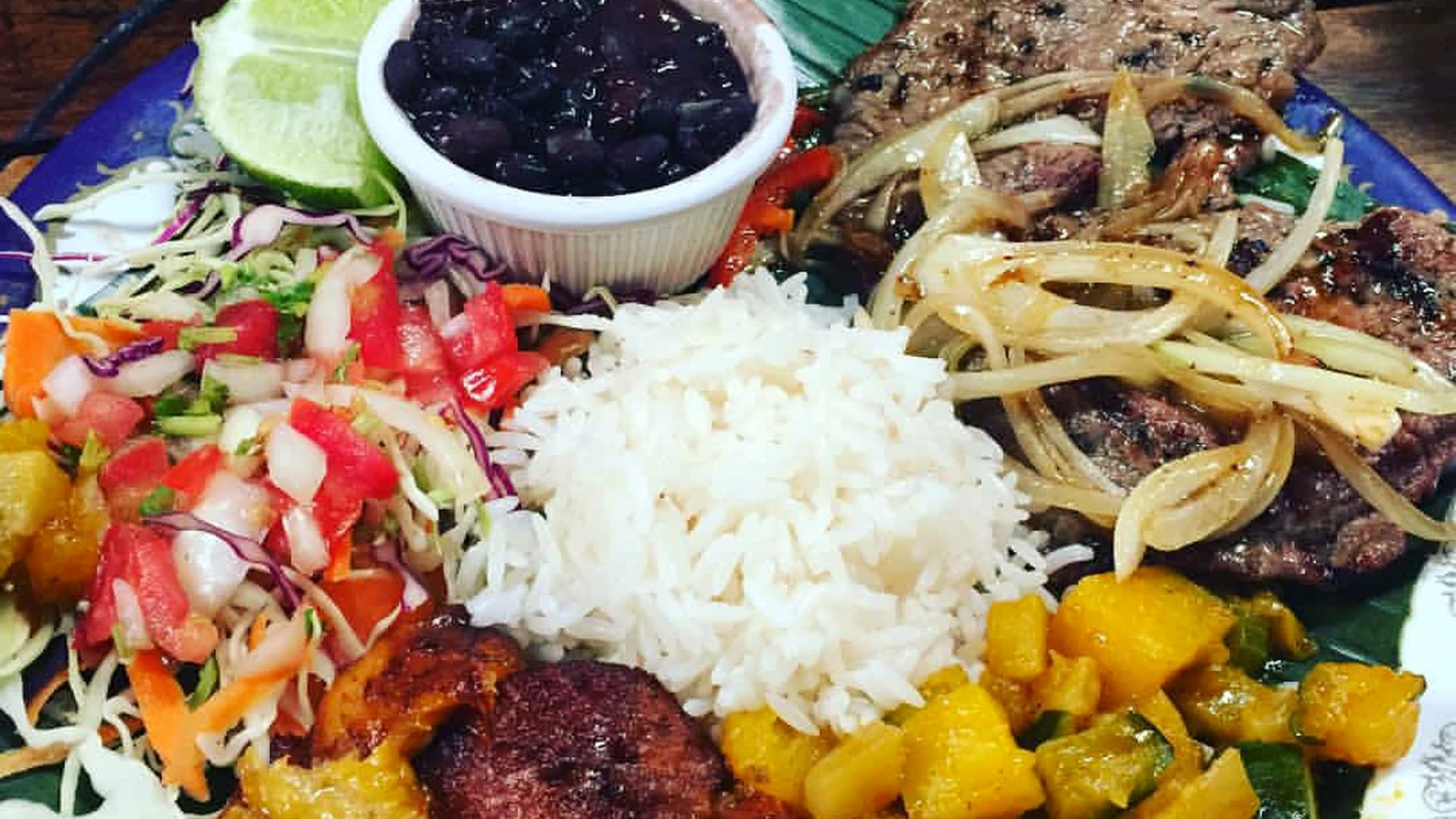
Forget the resort buffet. These are the dishes that don't make the guidebooks but make every Tico close their eyes and smile — from gallo pinto to white beans with pork, and the humble plate that secretly unites our whole country.
Here's a little secret most travel blogs won't tell you: the food that ends up on a tourist's plate in Costa Rica is usually only the beginning of the story. You'll get the gallo pinto at the hotel breakfast, maybe a casado for lunch, and you'll leave thinking you've eaten 'Costa Rican food.' And you have! But there's a whole other world of dishes that we Ticos grow up on — the ones that fill our kitchens with smell on a Sunday, the ones our grandmothers make, the ones that don't photograph fancy but make a grown man emotional. So pull up a plastic chair. We're going to take you through the food that almost no tourist tries, but that every single one of us would cross the country for.
Gallo Pinto & Casado: Where Every Tico Starts
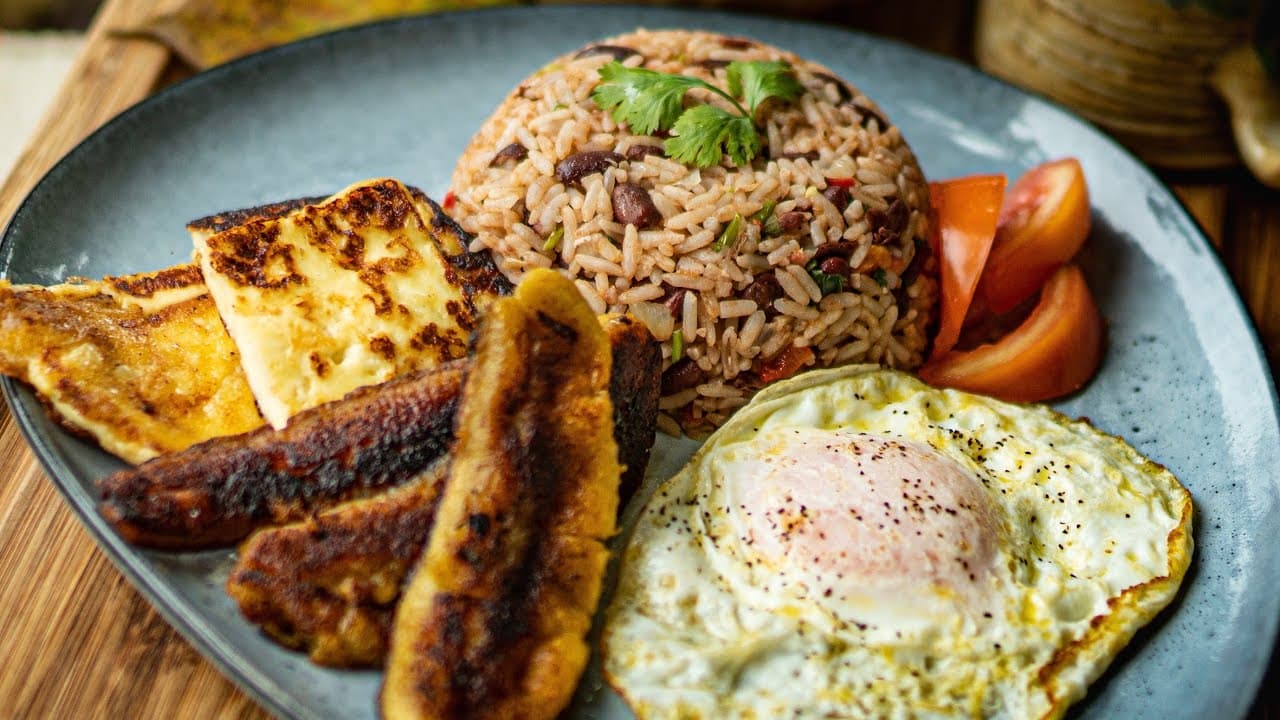
Let's begin with the two you've probably heard of, because you can't understand the rest without them. Gallo pinto is our national breakfast — rice and beans cooked together with onion, sweet pepper, cilantro, and the magic ingredient that starts arguments at family dinners: Salsa Lizano. It's a little tangy, a little sweet, and completely ours. We eat it with eggs, with a piece of fried cheese, with sour cream, sometimes just with a tortilla and a strong coffee while the sun comes up.
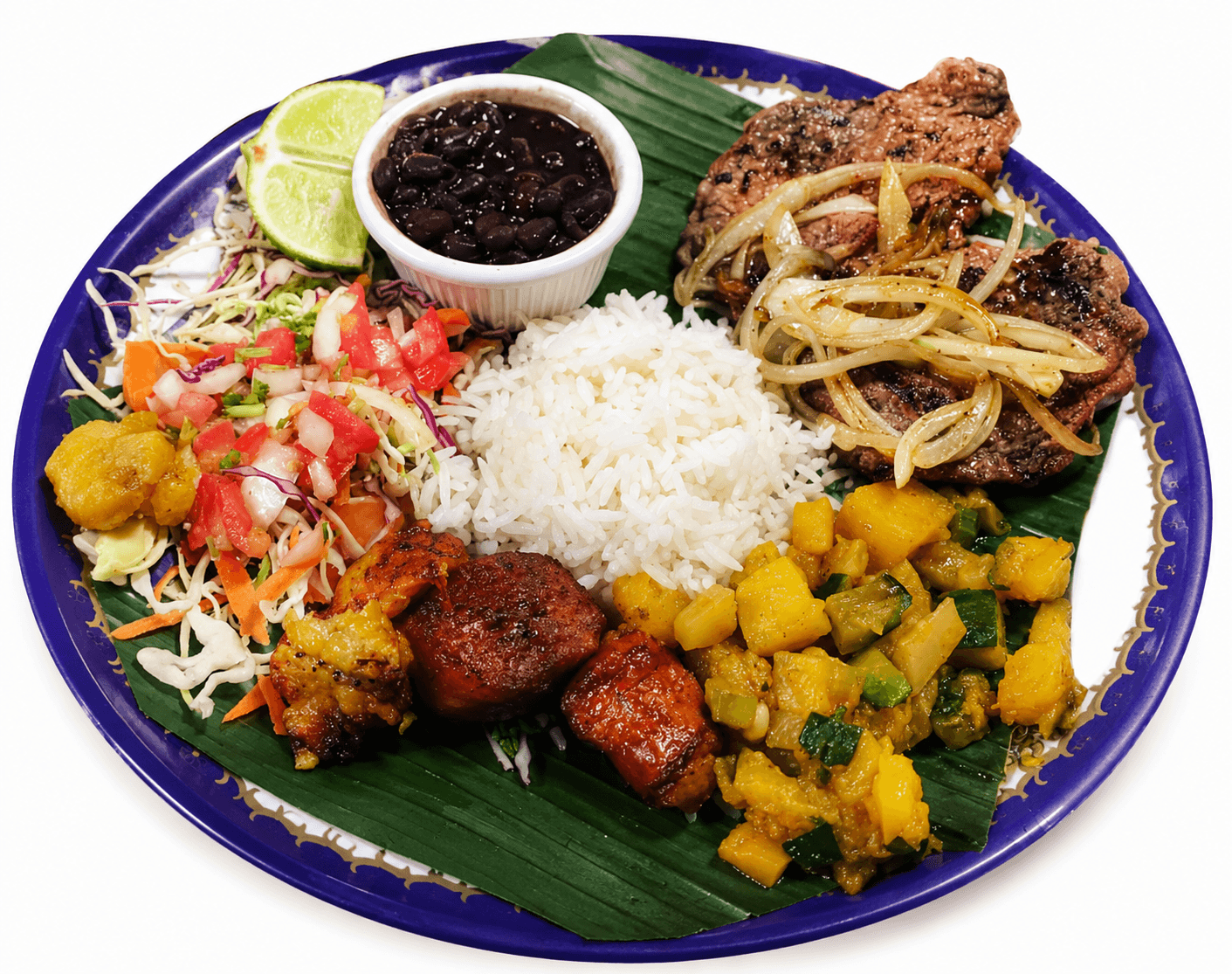
Then there's the casado — literally 'the married man.' The story goes that it's the plate a working man's wife would pack for him, so the dish got 'married' too: rice, beans, sweet fried plantain, a little salad, and a protein like chicken, beef, pork, or fish. It's the lunch of the country. Every soda makes it slightly different, and every Tico has a strong opinion about which soda makes it best. It's simple, it's honest, and it's the meal that has fed generations of us without ever pretending to be something it's not.
Chifrijo: The One That Pairs With a Cold Beer
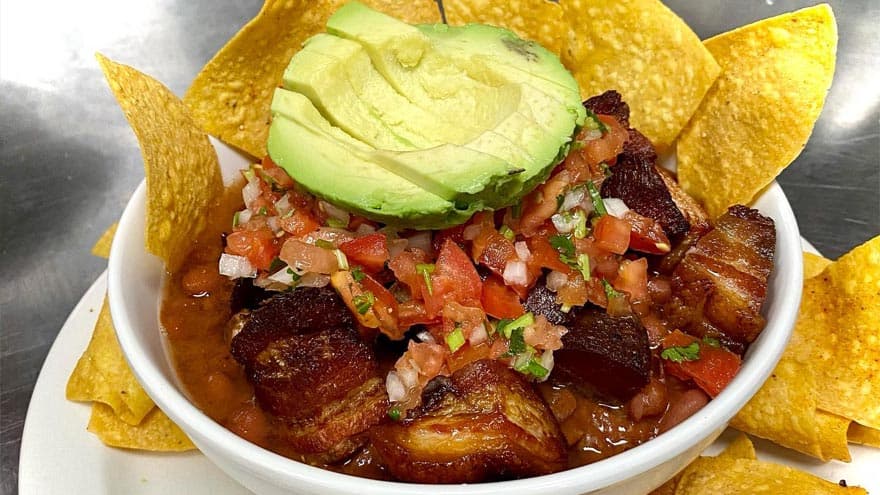
Now we start climbing. Chifrijo is the dish you'll find in every neighborhood bar — a 'cantina' classic. The name is a mashup of two words: 'chicharrón' (crispy fried pork) and 'frijoles' (beans). You take a bowl, layer in rice and beans, pile on those golden chunks of chicharrón, top it with fresh pico de gallo, a squeeze of lime, a few slices of avocado, and some crunchy tortilla chips on the side. It's the perfect thing to share with friends over an ice-cold Imperial on a Friday afternoon. Tourists who discover chifrijo always look at us like we've been hiding it from them. Honestly? A little bit, yes.
Olla de Carne: Sunday in a Pot
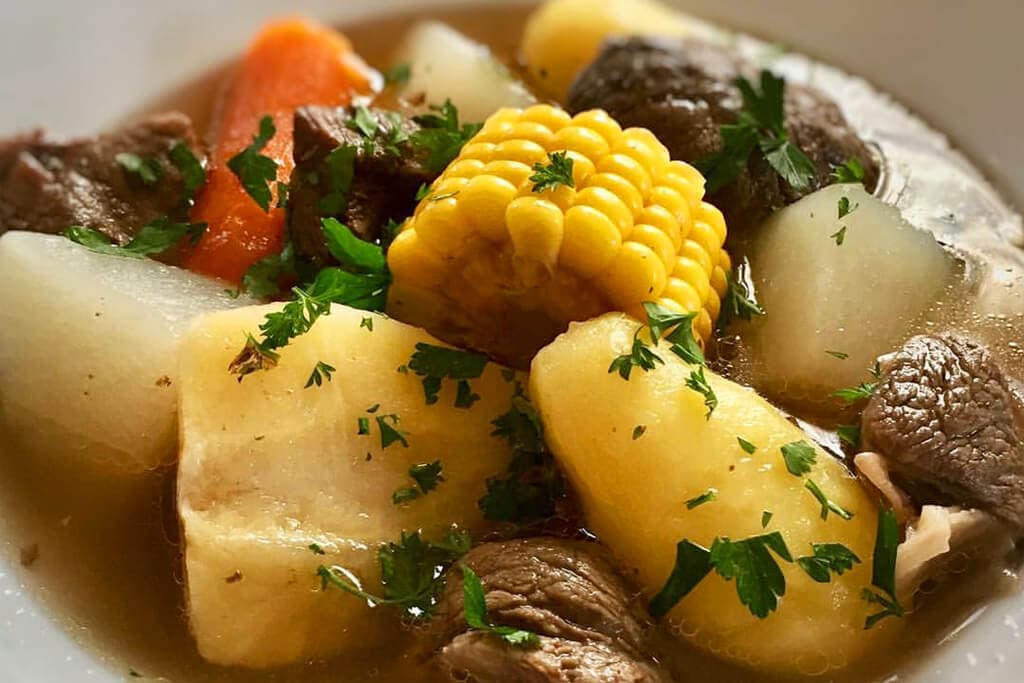
If chifrijo is Friday night, olla de carne is Sunday afternoon. This is the dish that means family. It's a big, slow-cooked beef stew loaded with everything our land gives us: yuca, ayote (squash), plantain, corn on the cob, chayote, potato, and tender chunks of beef on the bone. The broth simmers for hours until the whole house smells like home. We serve the broth first, then the meat and vegetables with a side of white rice. It's the meal where three generations sit at the same table and nobody's in a hurry to leave. You won't usually find this on a tourist menu — but if a Tico invites you to their house for olla de carne, say yes immediately.
Sopa de Mondongo: The One That Separates the Curious From the Brave
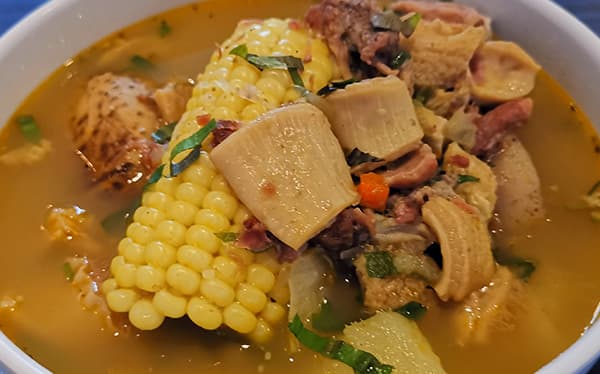
Okay, now we're getting into real local territory. Sopa de mondongo is tripe soup — yes, beef stomach — slow-simmered with vegetables, herbs, and spices until it's rich and deeply flavorful. We know, we know: for a lot of visitors the word 'tripe' is where the adventure ends. But for Ticos, a good mondongo is comfort, tradition, and according to many abuelos, the best cure for a rough morning after a long night. It's the kind of dish that tastes like patience, because you can't rush it. The brave travelers who try it almost always come back for a second bowl.
Plátanos Asados con Queso: Sweet, Salty, Perfect
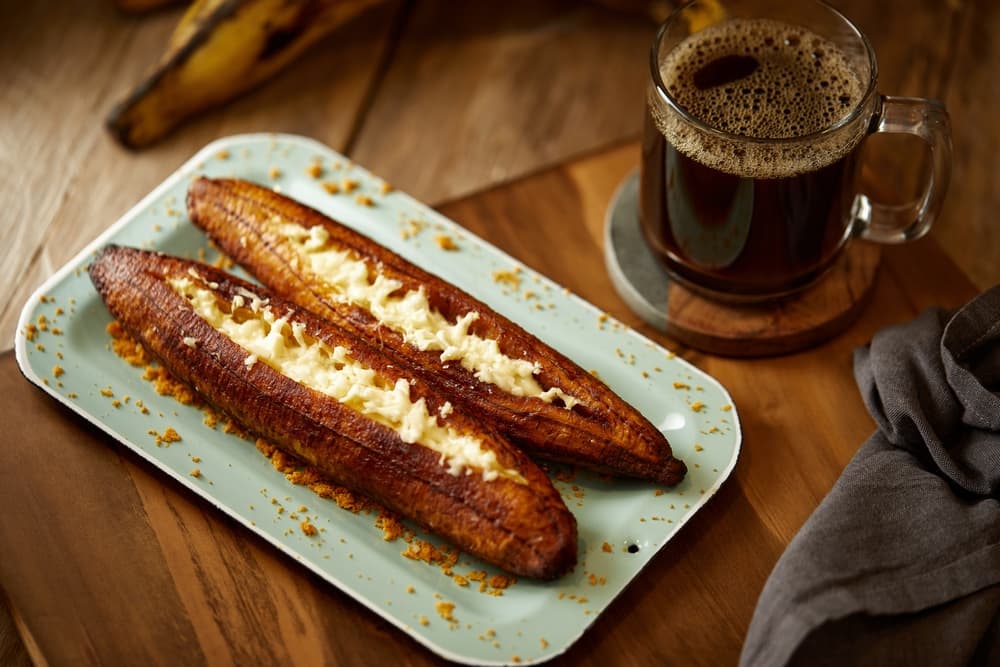
Time for something everyone can fall in love with. Plátanos asados con queso are roasted ripe plantains with cheese — and the combination is pure magic. The plantain gets soft, sweet, and a little caramelized, and the cheese melts into it, salty and gooey. Sweet meets salty in the most comforting way possible. We eat them as an afternoon snack with coffee, as a side at dinner, or honestly anytime we want a hug in food form. It costs almost nothing to make and it's one of those flavors that instantly takes any Tico back to their childhood kitchen.
Chorreadas: Our Corn Pancake, With Natilla on Top
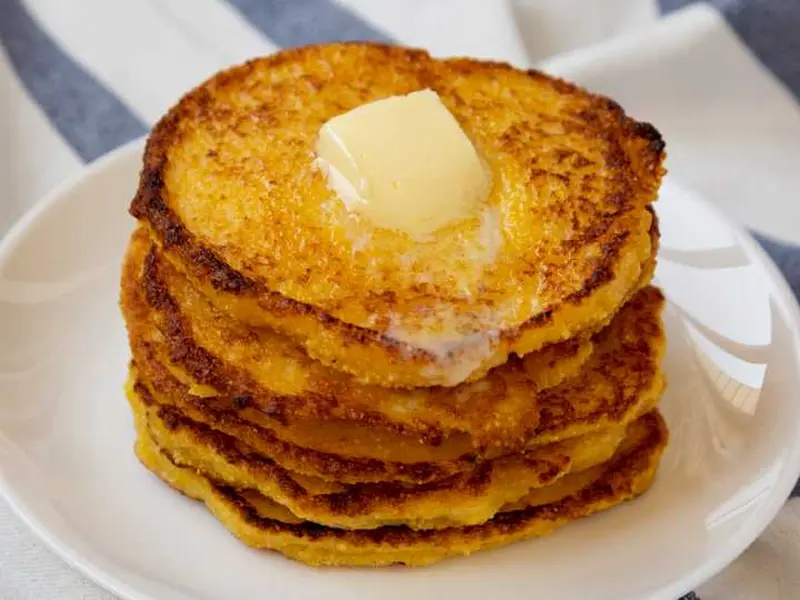
Staying in snack heaven for a moment — let us introduce you to the chorreada. The classic version is a thick, golden pancake made from fresh ground corn, cooked on a hot griddle until the edges go a little crispy. There's also a yuca version, made from grated cassava, that's just as beloved in plenty of Tico households. Either way, you eat it the same glorious way: with a generous spoonful of natilla (our sour cream) and a slice of salty cheese on the side. Sweet corn, tangy natilla, salty cheese — it's the kind of mid-afternoon snack that goes perfectly with a cup of coffee on the porch while the rain rolls in. Tourists almost never hear about chorreadas, and that's exactly the kind of thing we're trying to fix here.
Canelones: Italian Roots, Tico Heart
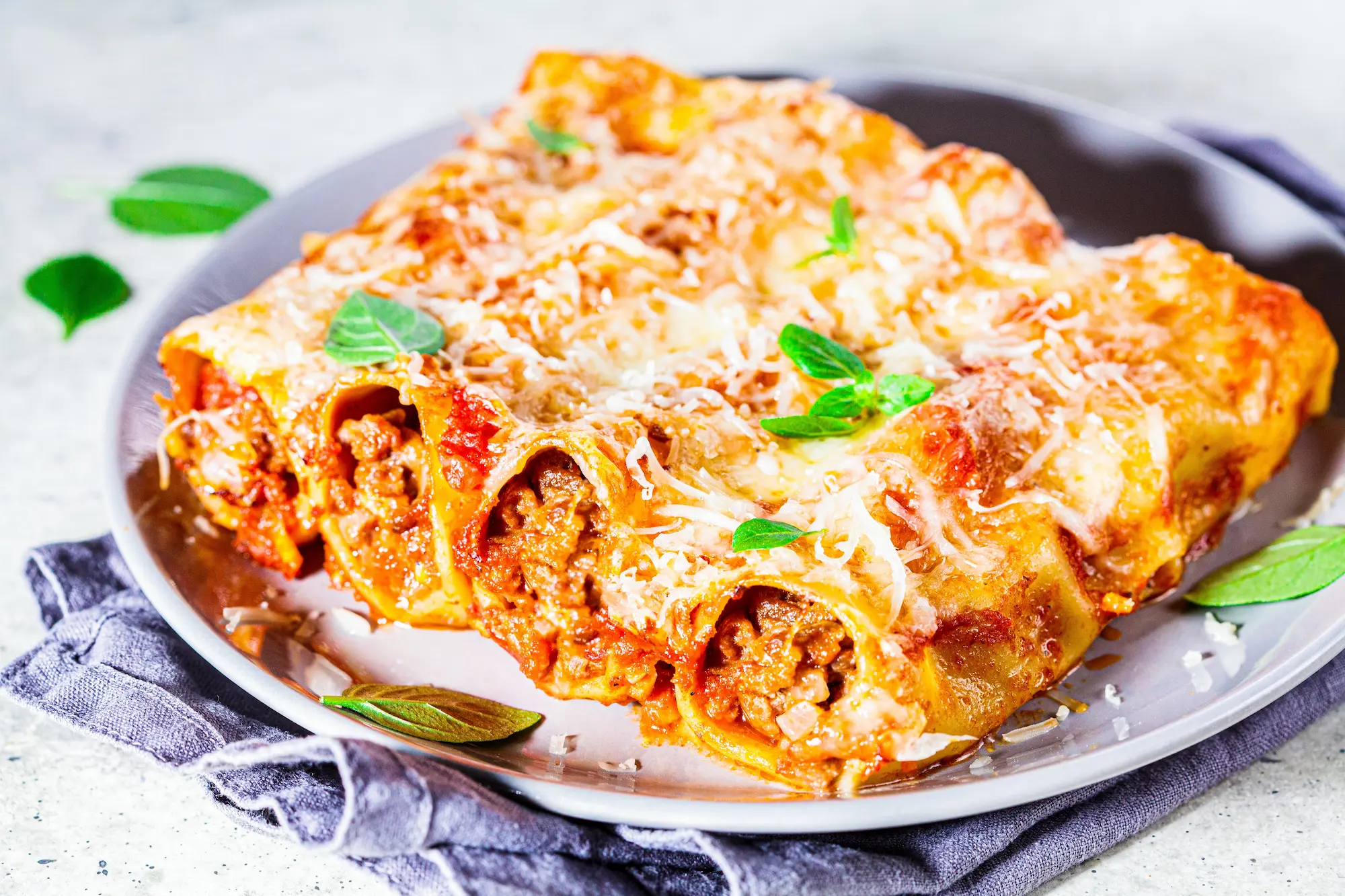
Now here's one that might raise an eyebrow. Yes — canelones have Italian roots. But somewhere along the way they became completely, lovingly Tico. They show up at Sunday lunches, birthday parties, and family gatherings all over the country, and most of us grew up eating them as often as anything else on this list. Pasta tubes stuffed with seasoned meat or cheese, smothered in a rich tomato ragú (and sometimes a layer of melted cheese on top), baked until bubbly. It's the dish a Tico mom makes when she wants to spoil the family a little. Origin aside, ask any kid here what they want for their birthday lunch and there's a very good chance the answer is canelones.
Tamal: The Taste of Costa Rican Christmas
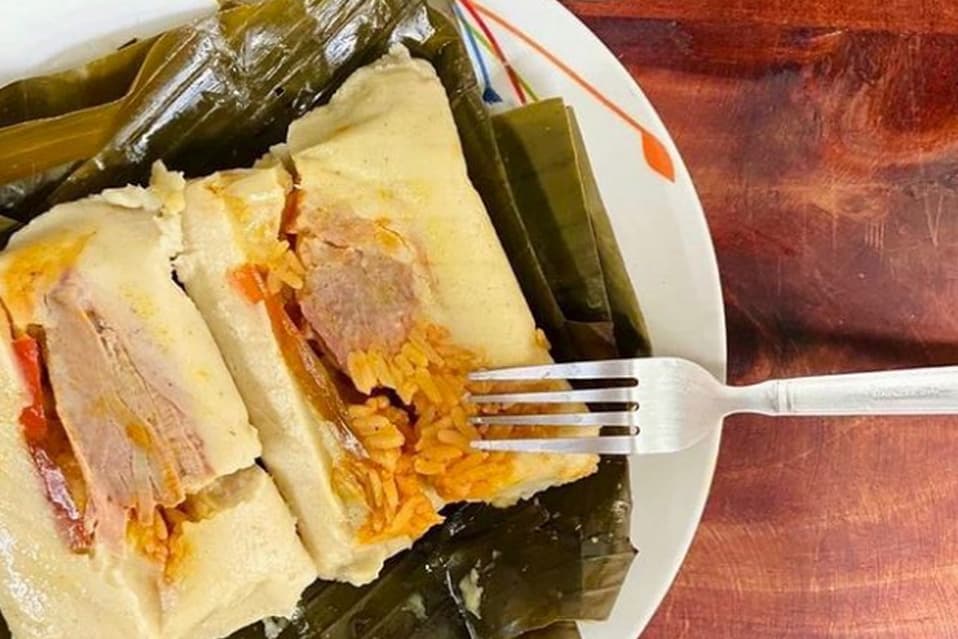
You cannot talk about Tico food without talking about the tamal. This isn't an everyday dish — it's our Christmas. Every December, families gather for the 'tamaleada,' an all-day production where everyone has a job: one person makes the corn masa, another prepares the pork, someone seasons the rice and vegetables, and the kids get the messy task of wrapping everything in banana leaves. Inside each tamal you'll find seasoned masa, a piece of pork, rice, and bits of vegetables, all steamed in the leaf until it's soft and fragrant. We eat them with a little Salsa Lizano and a cup of coffee. For us, the smell of tamales cooking IS Christmas — it means family is coming, the year is ending, and everyone's about to argue (lovingly) over whose family makes the best one.
Patas de Chancho con Frijoles Blancos: The Deep End
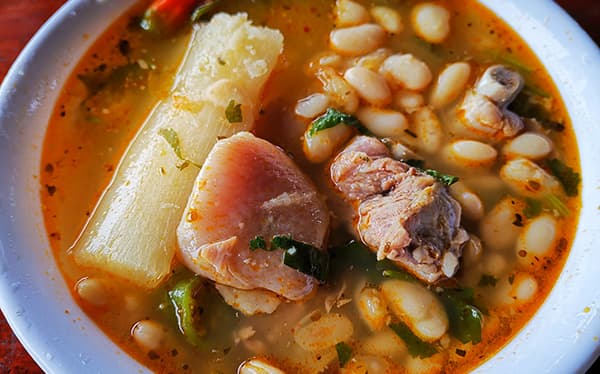
And now, the dish that earns you honorary Tico status. Patas de chancho con frijoles blancos — pork trotters (pig's feet) stewed with white beans. This is country cooking at its most honest, the kind of dish that comes from a time when nothing on the animal went to waste. The pork gets meltingly tender and gelatinous, the white beans soak up all that rich flavor, and the whole thing turns into a thick, savory stew you eat with rice and tortillas. It's humble, it's old-school, and it's exactly the kind of food that almost no tourist will ever order — which is a shame, because a well-made plate of patas con frijoles blancos is the kind of thing a Tico will drive across town for. If you see it on a soda's whiteboard, you've found the real deal.
Full confession: this one gave us trouble. Finding a photo that actually captures how delicious this dish is turned out to be almost impossible — it tastes a hundred times better than it ever looks in a picture. Honestly, at this point we feel obligated to throw a proper 'domingo de frijoles con patitas de chancho' at the CWT office one of these Sundays, cook a real pot ourselves, and finally take a photo that does this humble masterpiece the justice it deserves. Stay tuned — we might just update this post with it.
And in the End... Rice, Beans, and a Couple of Fried Eggs
We've taken you from the breakfast table to the Christmas tamaleada, from cold-beer chifrijo to grandma's mondongo. But if you asked any Tico — rich or poor, from the city or the mountains, at noon or at midnight — what they really want to eat when they're tired, hungry, and just need to feel okay again, the answer is almost always the same. White rice, black beans, and a couple of fried eggs with the yolks still soft. That's it. No fancy name, no recipe, no occasion needed.
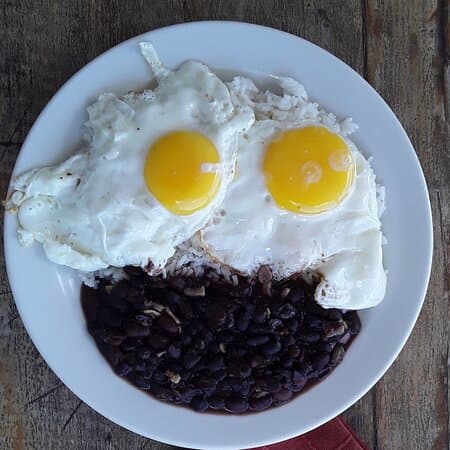
It doesn't matter the day or the hour. It's the plate we make at 11 at night when the fridge is almost empty, the one we eat after a long shift, the first thing we crave when we come home from a trip abroad. It costs a few hundred colones and it fills something deeper than your stomach. Maybe that's the real secret of Costa Rican food: it was never about being fancy. It was about being warm, being shared, and being home. So when you visit, by all means enjoy the gallo pinto and the casado — but if you get the chance to try something off the tourist menu, take it. Sit down, grab a tortilla, and eat like a Tico. We promise you'll understand us a little better by the last bite. ¡Buen provecho!
Coming to Costa Rica and want to eat where the locals eat? Let us get you there comfortably — we know all the best sodas along the way.
Book Your Shuttle